How Advertising Shifted from the Golden Age to the Digital Era
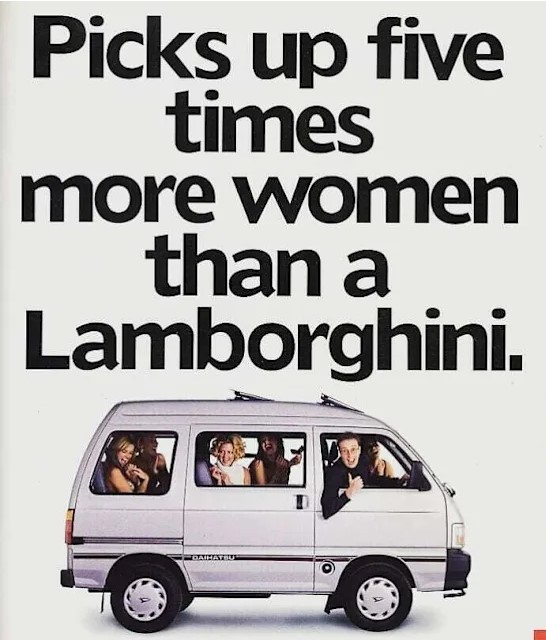
In the mid-to-late 20th century, print magazines and newspapers were absolute powerhouses. Because readers sat down with a publication
deliberately on a train, at the kitchen table, or in a waiting room advertisers had a captive audience Some of these commercials or print
ads might still be a hit today, while others might get someone fired if they were proposed in a client meeting. But they're certainly
entertaining.
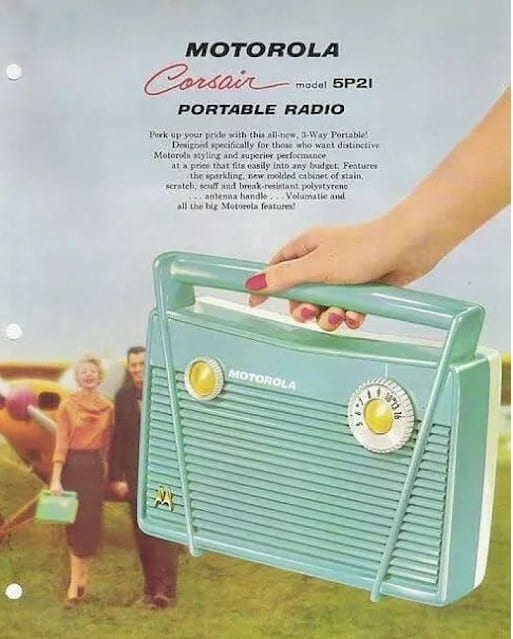
If you flipped through a popular magazine like The Australian Women’s Weekly, Time, or National Geographic
between 1960 and the late 1990s, you weren’t just looking at pictures, you were reading short stories except those stories were selling car
engines, cigarettes, airline tickets, and instant coffee.
Fast forward to today, and a typical digital ad gives you less than three seconds to catch a consumer’s eye before they swipe, skip, or
scroll past.
As an agency with deep roots in creative storytelling and multi-channel marketing, we’ve watched the advertising landscape undergo a total
transformation. Looking back at the pre-digital era reveals how drastically our habits and our attention spans have reshaped the way brands
communicate.
The golden era of print when copy was king (1960s–1990s)
Before smartphones, social media feeds, and targeted algorithms, reaching an audience required patience, craftsmanship, and ink on paper.
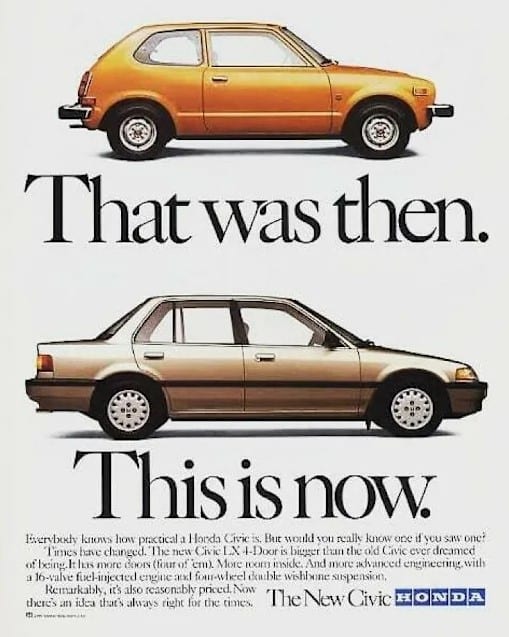
David Ogilvy famously declared, "The more you tell, the more you sell." The industry took that to heart. A single print ad for a
luxury car or a household appliance in the 1970s often featured:
- A bold, witty headline designed to hook curiosity.
- A detailed hero illustration or photograph.
-
Three to four dense paragraphs of body copy explaining why the product’s engineering or ingredients were superior.
To our modern eyes today, these ads look almost foreign. They read like mini-articles, asking the reader to invest two full minutes into
understanding a product's value proposition. But back then, it worked brilliantly. Without the constant ping of notifications, consumers
actually enjoyed reading the pitch.
The digital age 3-second rule
Fast forward to the 2000s and beyond. The rise of high-speed internet, smartphones, and social media platforms didn’t just change where ads
were placed, it fundamentally rewired consumer psychology.
Short-form video, infinite scrolls, and algorithmic feeds have fragmented our focus. Today, the average consumer’s attention span for
digital content sits at around 8 seconds (sometimes less on platforms like TikTok or Instagram).
As a result, modern advertising traded long-form narrative for instant impact.
| Feature |
Pre-Digital Era (1960–2000) |
Digital Era (2000–Present) |
| Primary Media |
Print (Magazines/Papers), TV, Radio, Billboards |
Social Media, Search, Video Streaming, Websites |
| Copy Strategy |
Long-form story, detailed benefits, explanatory text |
Micro-copy, snappy headlines, quick hooks |
| Visual Style |
High-concept photography, detailed illustrations |
Dynamic video, eye-catching graphics, authentic UGC |
| Engagement |
Passive, reflective, deep reading |
Interactive, instant, click-through, scroll-stopping |
| Targeting |
Broad demographic (publication readership) |
Hyper-targeted data, behaviors, and niche interests |
What has modern marketing actually lost and gained?
While it’s easy to lament the loss of deep-reading attention spans, the shift to digital brought unprecedented benefits:
-
Pre-digital marketers had to wait weeks or months to see if a print campaign drove store sales. Today, digital campaigns
provide real-time metrics on clicks, conversions, and ROI.
-
Changing a magazine ad mid-run in 1985 was impossible. Today, digital creative can be tweaked, A/B tested, or swapped in minutes.
-
Print ads were a monologue. Modern marketing is a conversation, allowing customers to comment, review, and directly interact with brands.
However, the fundamental truth of marketing hasn't changed. Whether you’re writing a 500-word magazine ad in 1975 or a 5-second video hook
today, brands aren't chosen for what they sell, they're chosen for how they make people feel.
The takeaway for modern brands
The lesson from the 20th century isn't that long-form copy is dead; it’s that clarity and strong storytelling always win.
While today’s digital landscape requires us to be faster, sharper, and more concise to capture initial attention, the brands that thrive are
those that build real connection using modern digital channels to stop the scroll, while delivering the same depth, purpose, and trust that
the great print ads offered decades ago.