Bold Packaging Choices Sparks Controversy And Curiosity
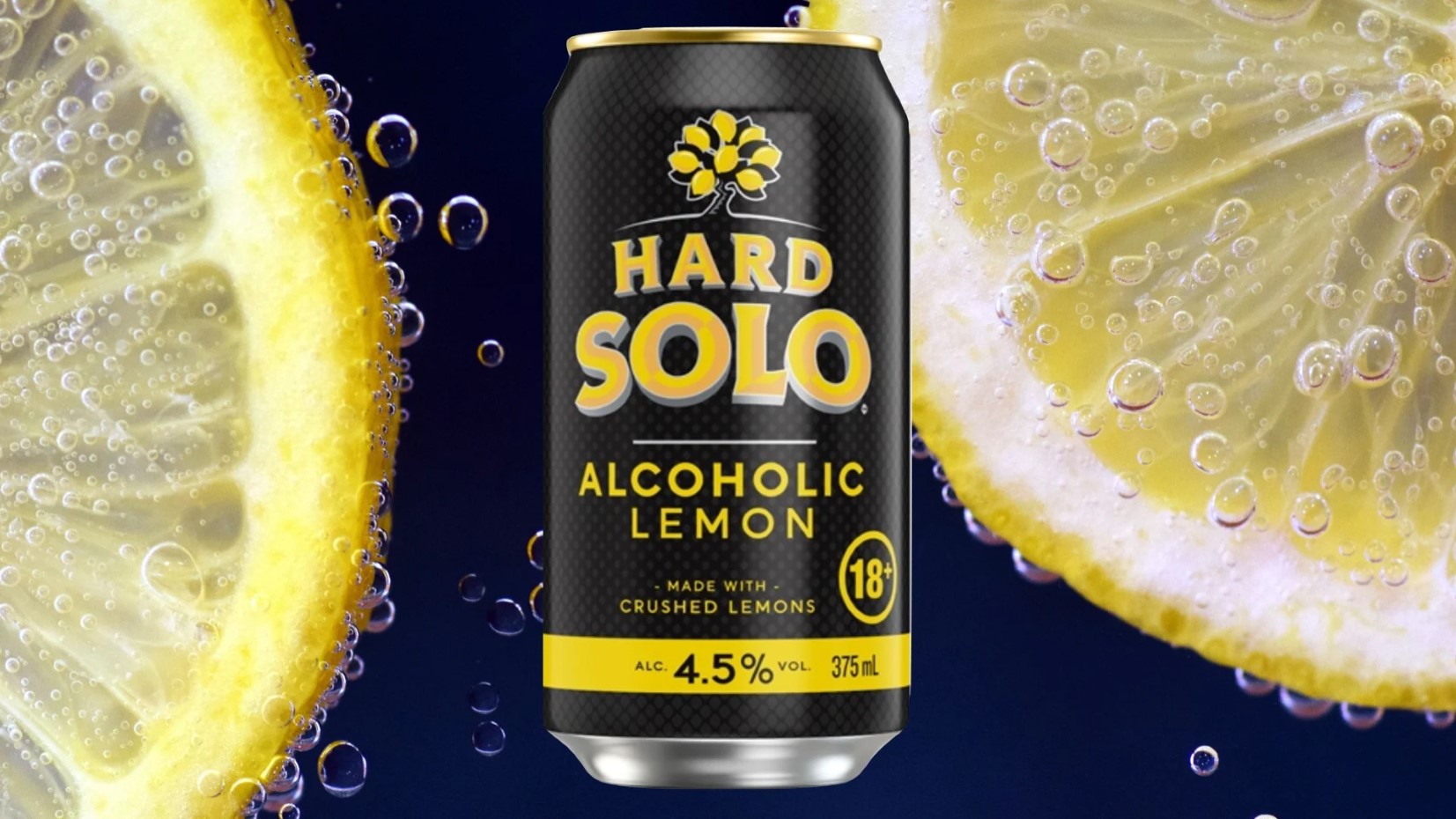
The Japanese beverages giant, Asahi and manufacturer of the well-loved Solo soft drink, has caused a stir with its recent launch of an
alcoholic version of the iconic beverage, named ’Hard Solo’ into the Australian market. This audacious move has not only
captured the attention of consumers but has also raised significant concerns within the community.
The launch of the alcoholic rendition of Solo, has been regarded as a stroke of genius by industry experts. By leveraging the enduring
popularity and nostalgia associated with Solo, Asahi has seamlessly expanded its product line, aiming to capture the loyalty of its
existing consumer base while intriguing a new segment of customers.
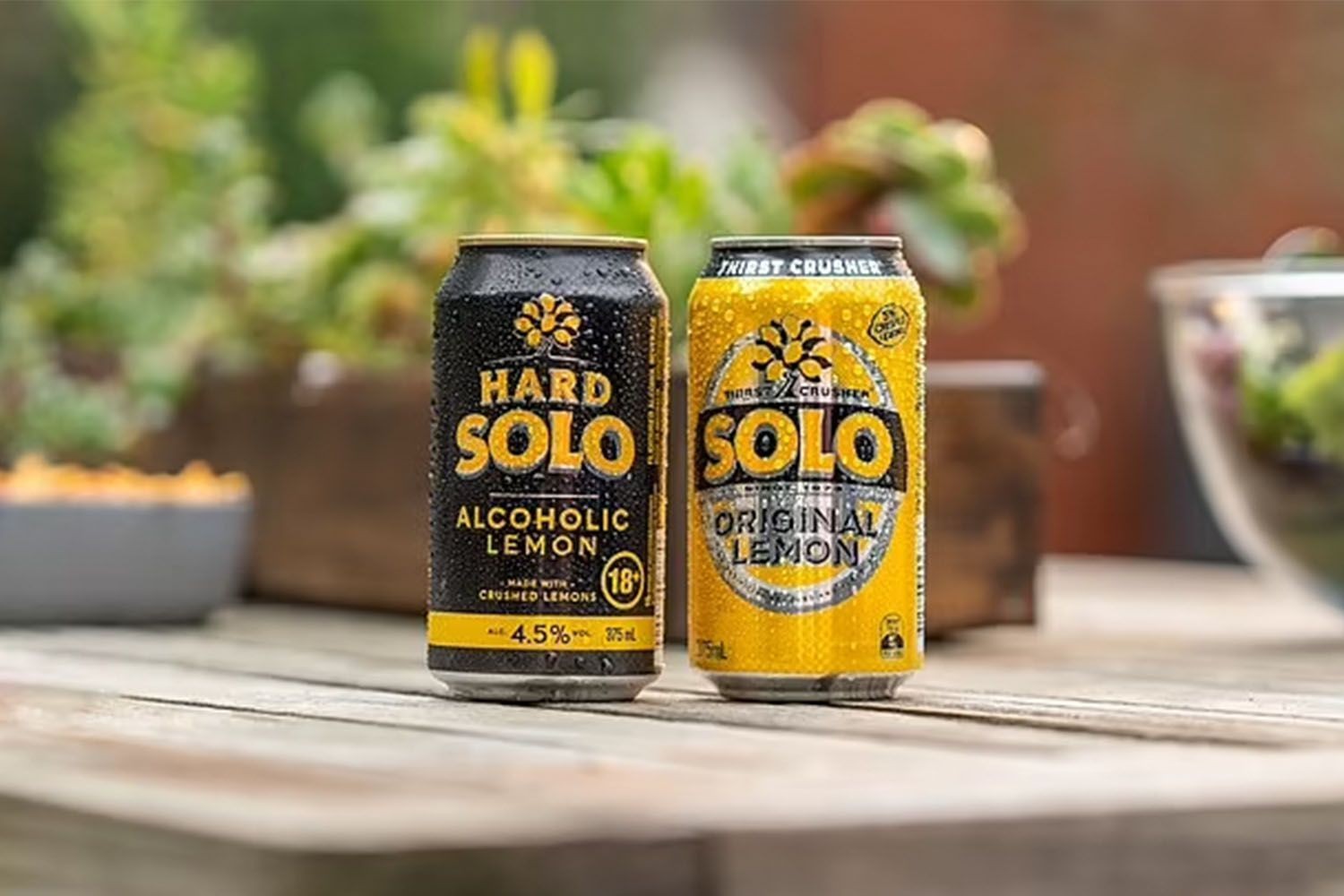
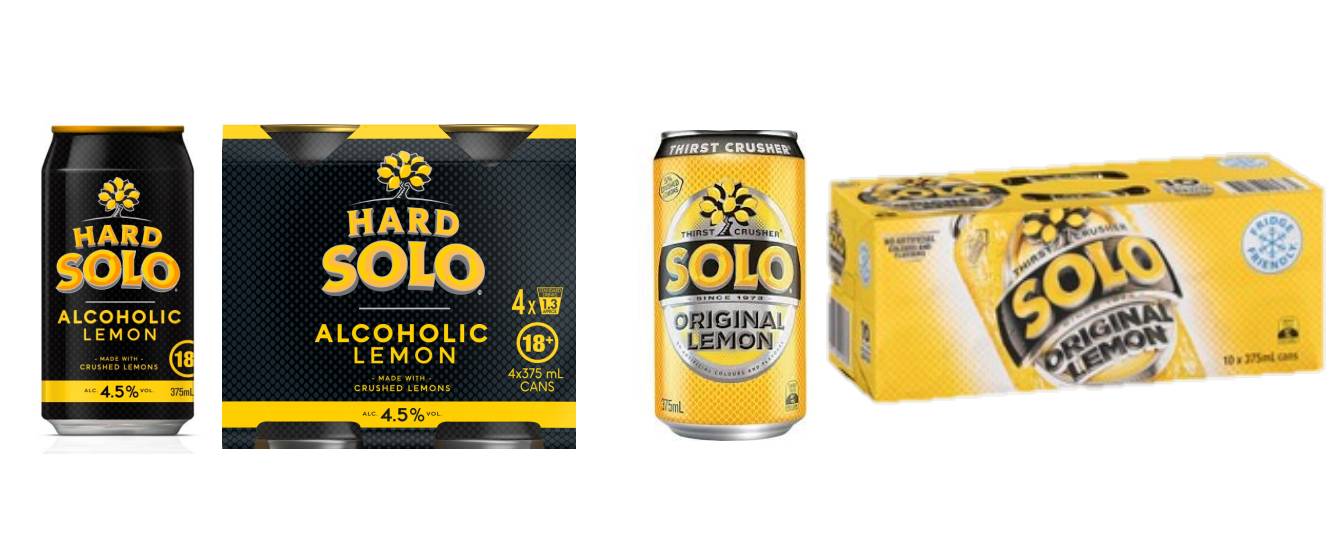
The introduction of the Hard Solo alcoholic product, with a packaging design strikingly similar to the long-established non-alcoholic Solo
brand, has ignited a wave of controversy. Whilst there are minor distinctions in packaging colours, the resemblance between the two
products at a glance has triggered discussions about the creative reasoning behind this approach (despite Asahi rejecting this notion of
course).
'%3E%3Crect x='0' y='0' width='1024' height='576' fill='%23868060'/%3E%3Cg transform='scale(4.00) translate(0.5 0.5)'%3E%3Cg transform='translate(96.20 49.71) rotate(269.08) scale(243.77 34.28)'%3E%3Cellipse fill='%23000000' fill-opacity='0.50' cx='0' cy='0' rx='1' ry='1'/%3E%3C/g%3E%3Cg transform='translate(23.76 75.96) rotate(275.51) scale(76.35 42.46)'%3E%3Cellipse fill='%23ffffb5' fill-opacity='0.50' cx='0' cy='0' rx='1' ry='1'/%3E%3C/g%3E%3Cellipse fill='%23fff1ac' fill-opacity='0.50' cx='217' cy='52' rx='60' ry='60'/%3E%3Cg transform='translate(172.70 120.54) rotate(205.42) scale(114.22 25.66)'%3E%3Cellipse fill='%2300000e' fill-opacity='0.50' cx='0' cy='0' rx='1' ry='1'/%3E%3C/g%3E%3Cellipse fill='%23ffff09' fill-opacity='0.50' cx='128' cy='116' rx='35' ry='6'/%3E%3Cg transform='translate(229.36 103.46) rotate(112.03) scale(11.04 60.65)'%3E%3Cellipse fill='%23ffffff' fill-opacity='0.50' cx='0' cy='0' rx='1' ry='1'/%3E%3C/g%3E%3Cellipse fill='%23000045' fill-opacity='0.50' cx='197' cy='138' rx='64' ry='20'/%3E%3Cg transform='translate(73.79 0.00) rotate(76.04) scale(66.94 22.25)'%3E%3Cellipse fill='%2300001b' fill-opacity='0.50' cx='0' cy='0' rx='1' ry='1'/%3E%3C/g%3E%3Cg transform='translate(74.46 129.72) rotate(195.01) scale(18.23 69.72)'%3E%3Cellipse fill='%23000033' fill-opacity='0.50' cx='0' cy='0' rx='1' ry='1'/%3E%3C/g%3E%3Cg transform='translate(151.15 49.89) rotate(256.35) scale(124.48 7.62)'%3E%3Cellipse fill='%230d1323' fill-opacity='0.50' cx='0' cy='0' rx='1' ry='1'/%3E%3C/g%3E%3C/g%3E%3C/g%3E%3C/svg%3E)
Let’s consider the potential strategic motivations that led to this decision:
Navigating Nostalgia and Continuity: The iconic non-alcoholic Solo lemon soft drink holds a special place in consumers'
hearts due to its nostalgic associations. By adopting a packaging design reminiscent of the original, the brand capitalises on this
emotional resonance, drawing consumers into trying a new iteration of a beloved classic.
Consistent Brand Cohesion: Retaining a packaging design with resemblances to the non-alcoholic Solo ensures a seamless
transition for the existing customer base. This strategy aims to create a sense of comfort and familiarity, guiding loyal consumers toward
the new alcoholic offering and encouraging exploration.
Expanding Horizons: If the non-alcoholic Solo drink caters to a specific demographic, mirroring the packaging for the
alcoholic counterpart can be seen as a strategic move to introduce the product to a slightly older or different target audience. This
alignment facilitates a smoother extension of the brand's influence while preserving its core essence.
Tapping into Established Trust: The development of brand equity is an arduous journey, and leveraging a familiar packaging
design is a means to harness the positive sentiments and credibility that have been cultivated over time. This connection with the original
product can significantly influence consumers to embrace the new alcoholic variant.
Harmonising Innovation with Familiarity: Successfully innovating while retaining customer trust can be complex. Employing a
packaging design reminiscent of the non-alcoholic beverage allows the brand to communicate its innovative spirit within a
recognisable framework, demonstrating progress without severing connections with its heritage.
Strategic Market Differentiation: In a competitive market landscape, where visual identity plays a pivotal role, an
approach that utilises similar packaging can carve a unique space. Amidst a sea of distinct visual cues, this strategy positions the brand
as instantly recognisable, inciting curiosity and potentially bolstering sales.
Narrative of Evolution: A compelling narrative could be woven around the journey from the original lemon soft drink to the
creation of an alcoholic counterpart. The packaging, within this context, could visually recount the brand's commitment to quality and
flavour, showcasing a natural evolution while upholding its legacy.
'%3E%3Crect x='0' y='0' width='1024' height='424' fill='%23cbc5af'/%3E%3Cg transform='scale(4.00) translate(0.5 0.5)'%3E%3Cg transform='translate(53 55) rotate(94) scale(56 96)'%3E%3Crect fill='%23000000' fill-opacity='0.50' x='-0.5' y='-0.5' width='1' height='1'/%3E%3C/g%3E%3Cg transform='translate(127.77 4.42) rotate(93.24) scale(23.06 245.76)'%3E%3Cellipse fill='%23ffffff' fill-opacity='0.50' cx='0' cy='0' rx='1' ry='1'/%3E%3C/g%3E%3Cellipse fill='%23ffffff' fill-opacity='0.50' cx='196' cy='98' rx='237' ry='16'/%3E%3Crect fill='%23000000' fill-opacity='0.50' x='44' y='24' width='65' height='51'/%3E%3Crect fill='%23c39e2a' fill-opacity='0.50' x='128' y='33' width='122' height='38'/%3E%3Cg transform='translate(186.10 94.96) rotate(175.28) scale(166.63 20.74)'%3E%3Cellipse fill='%23ffffff' fill-opacity='0.50' cx='0' cy='0' rx='1' ry='1'/%3E%3C/g%3E%3Crect fill='%23ffffff' fill-opacity='0.50' x='37' y='0' width='5' height='106'/%3E%3Cellipse fill='%23ffffff' fill-opacity='0.50' cx='168' cy='7' rx='240' ry='19'/%3E%3Cg transform='translate(0 58) rotate(90) scale(120 16)'%3E%3Crect fill='%23ffffff' fill-opacity='0.50' x='-0.5' y='-0.5' width='1' height='1'/%3E%3C/g%3E%3Cellipse fill='%23ffffff' fill-opacity='0.50' cx='117' cy='53' rx='8' ry='98'/%3E%3C/g%3E%3C/g%3E%3C/svg%3E)
The strategic decision to introduce an alcoholic version of the traditional Solo lemon soft drink, with a packaging design reminiscent of
its non-alcoholic counterpart, can be viewed as a calculated move to harness brand loyalty, expand consumer outreach, weave a cohesive brand
narrative, embrace innovation, and stand out in a competitive market.
If your brand has a strong legacy or nostalgic connection with consumers, consider tapping into this sentiment to create a bridge
between old and new products. This approach can evoke positive emotions and make consumers more receptive to trying something new, but let's
make sure we don't intentionally try and confuse the audience. Talk to 2CM today!